part-time work as a photographer
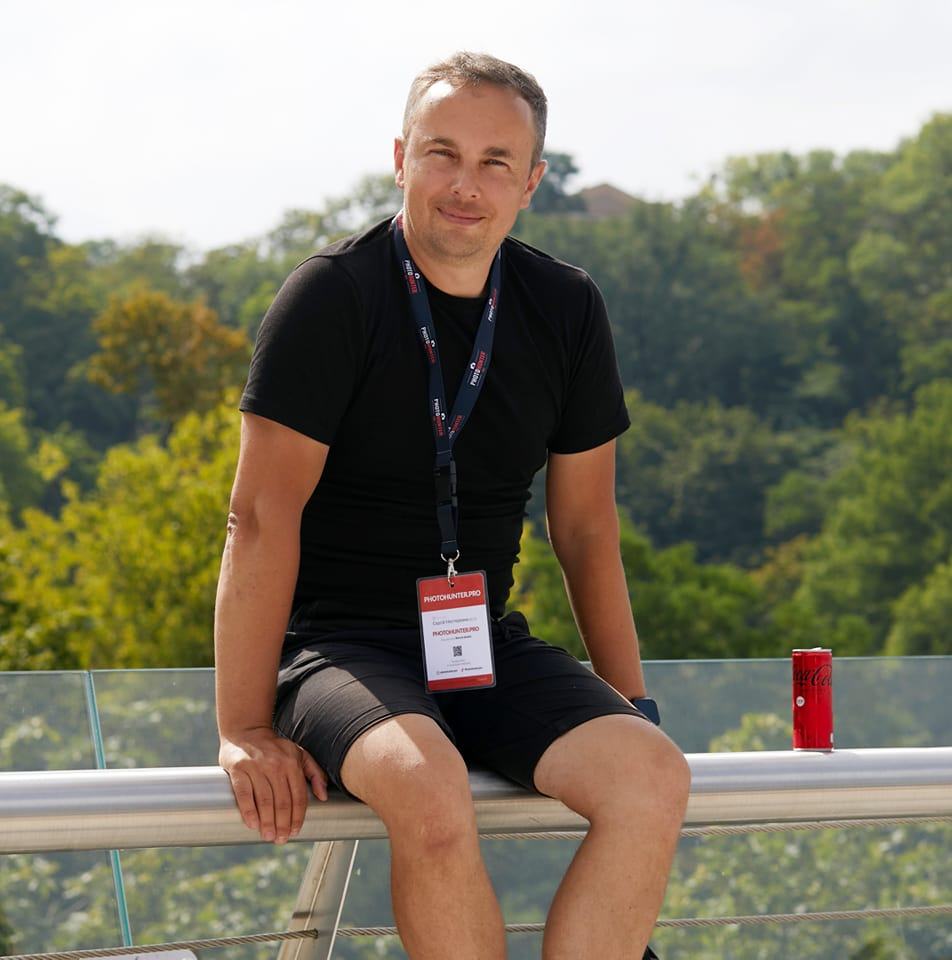
Do you have a camera but don’t have time to work as a full-time photographer? Would you like to earn some extra money without having to leave your main job?
Working as a photographer in your spare time can be a brilliant way to combine your favourite hobby with earning some extra money.
You don’t necessarily have to work as a photographer every day, rent a studio or have dozens of regular clients. You can take photos of people during evening walks, at the weekend, at local events or whilst travelling.
Modern online platforms, such as PhotoHunter, allow you to organise the sale of photographs to the people you photograph, without having to negotiate each purchase in person.
Let’s take a look at how to start working as a part-time photographer, how much you can earn, and how to organise photo shoots, even if you only have an hour or two to spare.
Why is working as a photographer on the side a good fit for people with a full-time job?
Many people enjoy taking photographs, but aren’t ready to turn it into a full-time career.
Some people work in an office, some are studying, and others want to earn some extra money without a strict timetable.
Street portrait photography could be one option for this sort of activity.
Key benefits
- Flexible working hours. You choose for yourself when to go on a shoot.
- Opportunity to work at weekends. No need to change your main job.
- There is no need for a dedicated studio. Natural light is sufficient for many portrait shoots.
- Practice and development. Every shoot helps to hone your skills.
- The opportunity to work in different cities. You can combine photography with travelling, whilst observing local regulations.
- Plan your own training schedule. You can start with just a few hours a week.
It is important to understand that a flexible working schedule does not guarantee an income. Earnings depend on demand, the number of shoots and the actual sales of photographs.
How can you earn money from photography alongside your main job?
Imagine a typical working day.
You finish work at 5.00 pm or 6.00 pm. Instead of heading straight home, you grab your camera and head to the nearest park, the waterfront or a pedestrianised street.
Couples, families, tourists and other people who might want to have some lovely portraits taken can be seen strolling there.
You introduce yourself, suggest a short photo shoot and explain how they can view the finished photos.
For example, you could say:
‘Good evening! I’m a photographer. You’re in such a lovely mood, and I’d like to offer to take a few beautiful portraits. You’ll be able to view the photos online and buy only the ones you like. Would you like to give it a go?’
If people agree, you take a quick photo and then give them a code to access the photos.
This approach allows you to practise and look for customers without a pre-determined order schedule.
Earning some extra money as a photographer at the weekend: where to start?
Saturdays and Sundays can be good days for taking photos.
At the weekend, people are more likely to go for walks in parks, visit tourist attractions, festivals and city events.
To start with, try a simple plan.
Saturday — first day of filming
- Check your camera and the battery charge.
- Choose a suitable location with plenty of natural light.
- Allow one or two hours for the photo shoot.
- Offer a few people a short portrait photo shoot.
- Please explain the terms and conditions for viewing and purchasing photographs.
- Once you’ve taken your photos, select the best ones and upload them online.
Sunday — practice and improvement
The next day, try a different location or a different time to take the photos.
Think about which shots turned out best, how comfortable you felt interacting with people, and whether they showed any interest in the photographs.
In this way, you can gradually work out which shooting format suits you best.
How much can you earn as a photographer in your spare time?
Let’s look at a hypothetical example of selling photographs via PhotoHunter.
Let’s assume that one photograph costs $3.
After the platform’s 20 per cent commission**,** the photographer receives $2.40 for each photograph sold, before tax and other expenses.
| Photographs sold | Total sales | The photographer’s share |
|---|---|---|
| 5 | $15 | $12 |
| 10 | $30 | $24 |
| 15 | $45 | $36 |
| 20 | $60 | $48 |
| 30 | $90 | $72 |
| 40 | $120 | $96 |
These figures show the potential earnings based on a certain number of sales, rather than a photographer’s average salary.
Example: taking photos only at the weekend
Let’s imagine that a photographer goes out on a shoot for eight days a month.
If 15 photographs are sold on each such day at $3 each, the calculation would be as follows:
- 15 photographs × $3 = $45 in sales per day.
- The photographer’s share, after commission, is $36 per day.
- In eight days — $288 a month.
If 25 photographs are sold each day for eight days, the photographer’s share will amount to $480 a month.
However, sales may be lower, irregular or non-existent. The outcome depends on actual demand.
How does PhotoHunter work for photographers with flexible working hours?
PhotoHunter is a platform that helps photographers sell their photographs to the people they photograph on the streets, at city events and in other locations.
You don’t need to set up your own online photo shop or send the finished files to each customer yourself.
Step-by-step guide
Step 1. Registration.
Create an account on PhotoHunter (opens in a new tab).
Step 2. Photographer’s code.
Get a personalised code that you can show to customers on your mobile or display on a badge.
Step 3. Choosing a time.
Decide when it’s convenient for you to take photos: after work, at the weekend or whilst travelling.
Step 4. Taking photographs.
Arrange short photo shoots with people, take high-quality portraits and explain the terms of purchase.
Step 5. Uploading photos.
Prepare and upload your best shots to the platform.
Step 6. Selling photographs.
Customers find their photos using the photographer’s code, view them and purchase the ones they have chosen.
When a photograph is sold, the photographer receives 80 per cent of the price, whilst PhotoHunter retains a 20 per cent commission.
Is it possible to work as a photographer without regular clients?
Yes, but it is important to distinguish between two concepts: the lack of regular customers and the lack of a need to seek out customers.
In traditional photography, the client usually arranges a photo shoot in advance.
In street photography, you can approach people yourself who might be interested in having their photograph taken.
PhotoHunter helps you organise the subsequent viewing and sale of your finished photographs.
This may be useful for beginners who do not yet have a large portfolio, an active social media page or their own client base.
What sort of camera do you need to earn some extra money as a photographer?
You don’t necessarily have to buy the most expensive professional equipment straight away.
For high-quality street portrait photography, it is advisable to use a DSLR or mirrorless camera with a suitable lens.
Popular choices for portrait lenses:
- The 50 mm f/1.8 is a versatile option for beginners.
- 85 mm f/1.8 — for portraits with a beautiful blurred background.
- 135 mm f/1.8 or f/2 — for striking portraits taken from a greater distance.
- 70–200 mm — for flexible framing and composition.
At the same time, the most important thing is not the price of the equipment, but the ability to work with light, composition and people.
Is it possible to work as a photographer in different countries?
Street photography isn’t limited to just one city.
The photographer can practise in Ukraine, Poland, Germany, France, Spain, the USA and other countries.
For example, if you’ve moved to another city or gone on a trip, photography can remain your hobby and a potential source of income.
PhotoHunter is aimed at an international audience.
However, before commencing commercial operations in a particular country, it is necessary to check local filming regulations, requirements regarding consent from individuals, operating licences, taxation and the availability of the platform’s payment functions.
How can you balance your main job and photography without burning out?
It’s best to start gradually.
You don’t have to take photos every day or spend hours outdoors.
You could choose one or two short shoots a week and gradually work out whether this format suits you.
An example of a flexible timetable
| Day | Plan |
|---|---|
| Monday | Work, leisure |
| Tuesday | 1 hour of photography |
| Wednesday | Recruitment and staff management |
| Thursday | Work, leisure |
| Friday | 1 hour of photography |
| Saturday | 2 hours of photography |
| Sunday | Photo processing and analysis of results |
This is just an example. You can adjust the timetable yourself to suit your work, studies, the weather and your personal plans.
Five tips for a successful side job as a photographer
1. Start with small goals
Your first goal might not be to earn a specific amount, but rather to produce a few high-quality shoots and attract your first interested clients.
2. Choose convenient locations
Start with parks or places to go for a walk near your home or work.
That way, you’ll spend less time and money on travel.
3. Make the most of natural light
Learn how to take photos in the morning, in the evening and in the shade.
This will help you take good portraits without studio equipment.
4. Explain the terms and conditions to people
Please let them know where they can find the photographs, how much they will cost, and that the purchase is voluntary.
Before taking photographs or publishing images of people, ensure you have the necessary consent and comply with local legislation.
5. Analyse the results
Pay attention to the number of photo shoots carried out, the number of photos uploaded and the actual sales figures.
This will help you understand which venues, times and formats work best.
Frequently Asked Questions
Is it possible to work as a photographer without any experience?
Yes, you can start by practising and taking simple photos. However, to be successful in this line of work, you need to gradually improve your technical skills and your ability to communicate with people.
How much time does it take to work as a part-time photographer?
You could start with one or two hours a week. You should also allow time for selecting, editing and uploading photos.
Is it possible to earn $50 in an evening?
At a price of $3 per photograph and a 20 per cent commission charged by PhotoHunter, you would need to sell at least 21 photographs to earn $50.40 before tax and other expenses.
This is an estimate, not a guarantee of such a result.
Do you need to have your own photography studio?
No. Street portraits may be taken in parks, along the waterfront and at other authorised locations.
Is it allowed to take photos at the weekend?
Yes. You decide on the schedule for the photo shoot yourself.
How do customers find photos on PhotoHunter?
A customer visits the website, enters the photographer’s code, finds the relevant photo shoot, browses the photos and can purchase their chosen images.
Conclusion: turn your spare time into an opportunity to earn extra income
If you enjoy photography, you don’t necessarily have to wait for the perfect moment to try and make money from your hobby.
You could start with short photo sessions after work, take photos at the weekend, or combine photography with travelling.
The main thing is to develop your skills, respect people, take high-quality photographs and gradually get to grips with market demand.
PhotoHunter helps photographers organise the online sale of their photos, and enables customers to easily find their photos using a code.
Fancy giving it a go?
Sign up to PhotoHunter (opens in a new tab), get your photographer code and start taking photos whenever suits you.
PhotoHunter — take photos whenever it suits you and sell your photos online.